The first Thermal Energy Storage in Germany is built with GLAPOR cellular glass.

During summer, Europe has a lot of excess heat production by power plants and other industries besides solar energy. This heat can be stored below 100°C in large water tanks or pits, like we already discussed in a previous post. Indeed, water has a large specific heat and does not contaminate soil.

In Meldorf, Germany, the first Pit Thermal Energy Storage (PTES) is build to heat public buildings in winter by Ramboli and Solmax. First a large pit is dug (100m x 100) like shown hereunder.
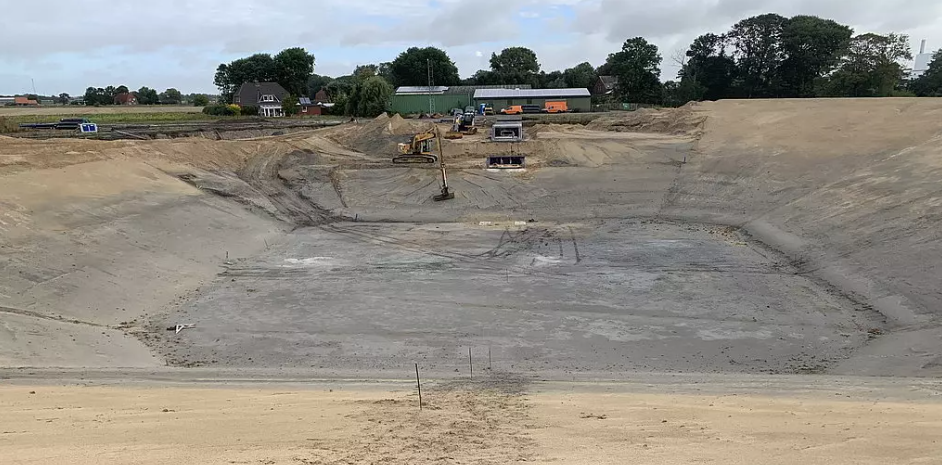
The sides and bottom of the pit are covered with HDPE-foil to make the pit watertight like hereunder.

The pit is filled with water and an 2.5mm HDPE-foil is covering and floating on the water. It is perfectly possible to walk on this HDPE-foil. On this foil, a layer of Glapor PG600 cellular glass is installed (800 x 600 mm boards) and later on a layer PIR and tapered EPS is installed. On top of the EPS, a rain-membrane is installed, where the tapered is installed in such a way that the rain water can be easily drained. Hereunder, the installation of the cellular glass and PIR on the HDPE-foil is shown.

More information will be given later about this historal step. In the past, the first layer was (hot) PE-foam, which is too much creeping at 80°C under the weight of a puddle water, which becomes larger and larger by the creeping. GLAPOR PG600 cellular glass does not creep measurable under even the load of 15m water load below 400°C.

GLAPOR tankbase at INDAVER

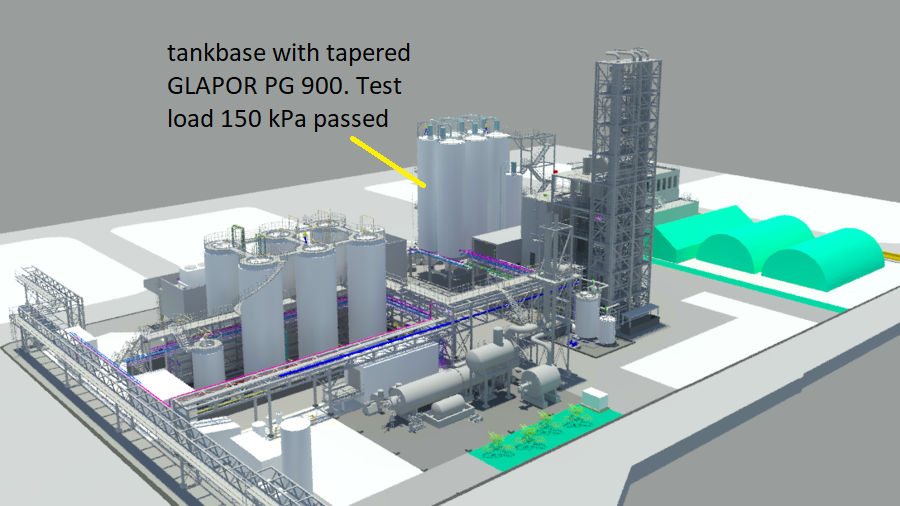
Indaver is a large company all over the world with a plant in Antwerp, Belgium. In that plant, they build a new system to recycle plastics to base materials (P2C). One part of the plant are a few tanks with 15m height like shown hereunder.

The tanks are insulated at the bottom with tapered Glapor PG 600. This is shown schematically hereunder.

The 6 tanks passed the hydrotest at 150 kPa, like could be expected. In this way, GLAPOR entered officially the tankbase world. The tanks were installed by the company Verwater in Belgium and will be used up to 120°C. In fact, plastics are recycled, partially on recycled glass, transformed in GLAPOR cellular glass.

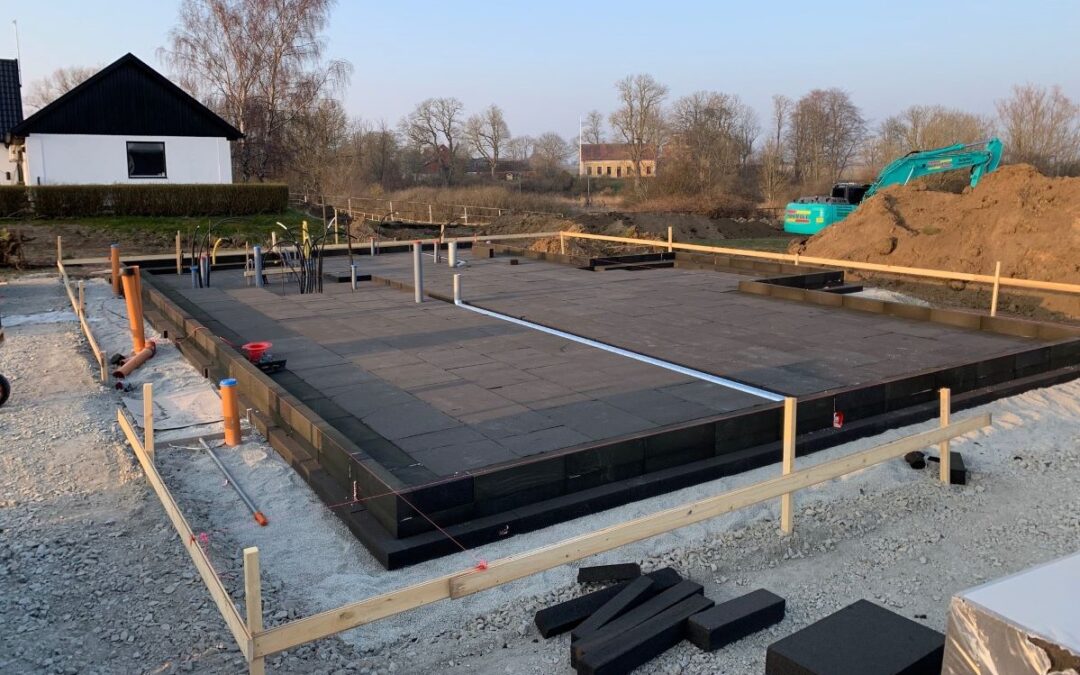
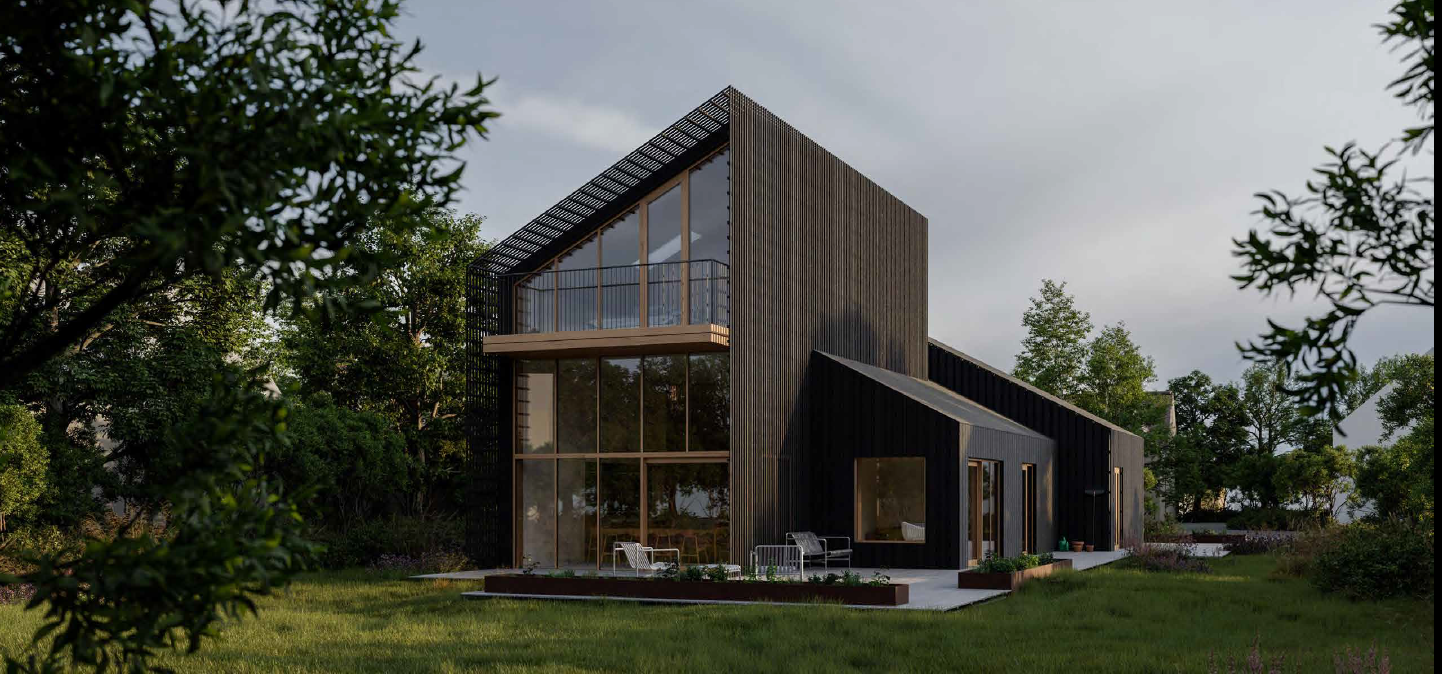
Cellglas and Tversted house in the picture

Cellglas is a Swedish company, which works with cellular glass. Quite fast, they changed for GLAPOR cellular glass, because this is made for 100% from recycled glass and available in larger boards. They are specialized in using cellular glass under the floor on a sand bed. This is nicely shown in the following video.

The cellular glass is used as thermal insulation of concrete plate (bottom and sides) and as formwork for pooring the concrete.

But an even more inventive concept is Tversted House, which is built without concrete or steel. After use, it can be simple unmounted and the materials reused. This is shown in following document.

The architects Jonas Aarsø  and Alexandra Nikolova use only GLAPOR cellular glass and wood in the foundations. The end result is a nice and ecologic building.